



Estimated reading time: 4 min · Updated November 9, 2026
UAE VAT input tax recovery checklist is a practical way for UAE finance teams to test whether purchase VAT claims are supported before approving a return. This guide covers invoice checks, mixed-use expenses, reconciliation and the VAT amendments effective in 2026.
Why this checklist matters
Input VAT can be a significant cash-flow item, but a payment to a supplier does not automatically make VAT recoverable. The UAE Ministry of Finance explains that recovery depends on the relationship between an expense and taxable activities; exempt activities and mixed-use expenses need different treatment. Finance teams therefore need an evidence-led review rather than simply claiming every VAT amount in the purchase ledger.
UAE VAT input tax recovery checklist: seven practical controls
- Identify the purchasing entity. Match the invoice recipient, supplier, contract, purchase order and legal entity claiming the tax. Escalate mismatches instead of editing source documents.
- Check the transaction and invoice evidence. Confirm that the invoice and supporting records reflect the actual supply, amount, supplier and VAT treatment. Retain related purchase orders, contracts, delivery evidence and payment records where relevant.
- Classify business use. Record whether the expense supports taxable supplies, exempt activities, non-business use or a mixture. Do not assume that every business expense qualifies for full recovery.
- Review mixed-use expenses. Where costs support both taxable and exempt activities, document the applicable input tax apportionment method and calculations. Apply the method relevant to the business’s circumstances.
- Investigate exceptions. Review credit notes, duplicate invoices, unusual supplier details, missing documents and expenses with unclear business purpose before the VAT return is approved.
- Reconcile the return. Tie recoverable input VAT to the purchase ledger, VAT control accounts and supporting schedules. Document adjustments and sign-off.
- Preserve an audit trail. Keep the original records, review notes, approval history and reasons for disputed claims in a retrievable filing structure.
What changed in 2026?
Federal Decree-Law No. 16 of 2025 introduced VAT law amendments effective 1 January 2026. According to the Ministry of Finance, the amendments remove the requirement to issue self-invoices when applying the reverse charge mechanism while retaining supporting-document obligations as specified by the Executive Regulation. They also introduce a five-year time limit for certain requests to reclaim excess refundable tax after reconciliation, and provide for denial of input tax deductions where the FTA determines that a supply forms part of a tax-evasion arrangement. These are distinct issues: the five-year rule should not be treated as a universal deadline for claiming every purchase invoice. Assess specific transactions against the legislation and FTA guidance.
A practical month-end review example
Suppose a consultancy buys software used by both its taxable advisory team and an activity making exempt supplies. The finance team should not automatically claim all input VAT merely because the software invoice is valid. It should identify the actual use, determine whether apportionment applies, retain the calculation and reconcile the recoverable portion. This is an illustrative control scenario, not a determination of any company’s entitlement.
Questions to ask before approving a VAT return
- Can we trace each material claim to the actual supplier transaction?
- Are the business purpose and VAT treatment documented?
- Have exempt or mixed-use activities been considered?
- Are credit notes and duplicate entries reflected correctly?
- Do unusual or high-value claims have independent review?
- Can the team reproduce the return figures from retained records?
Where e-invoicing fits
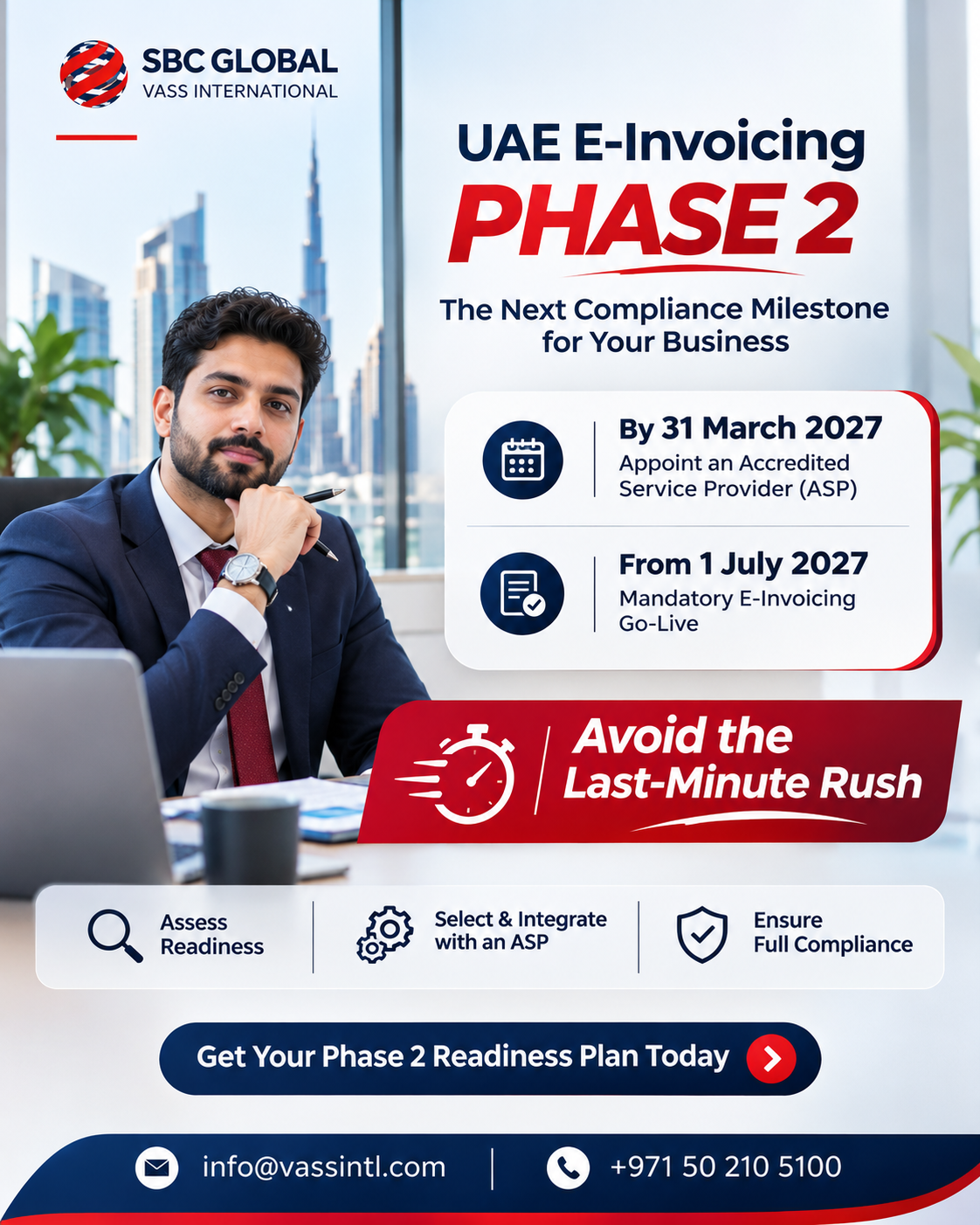
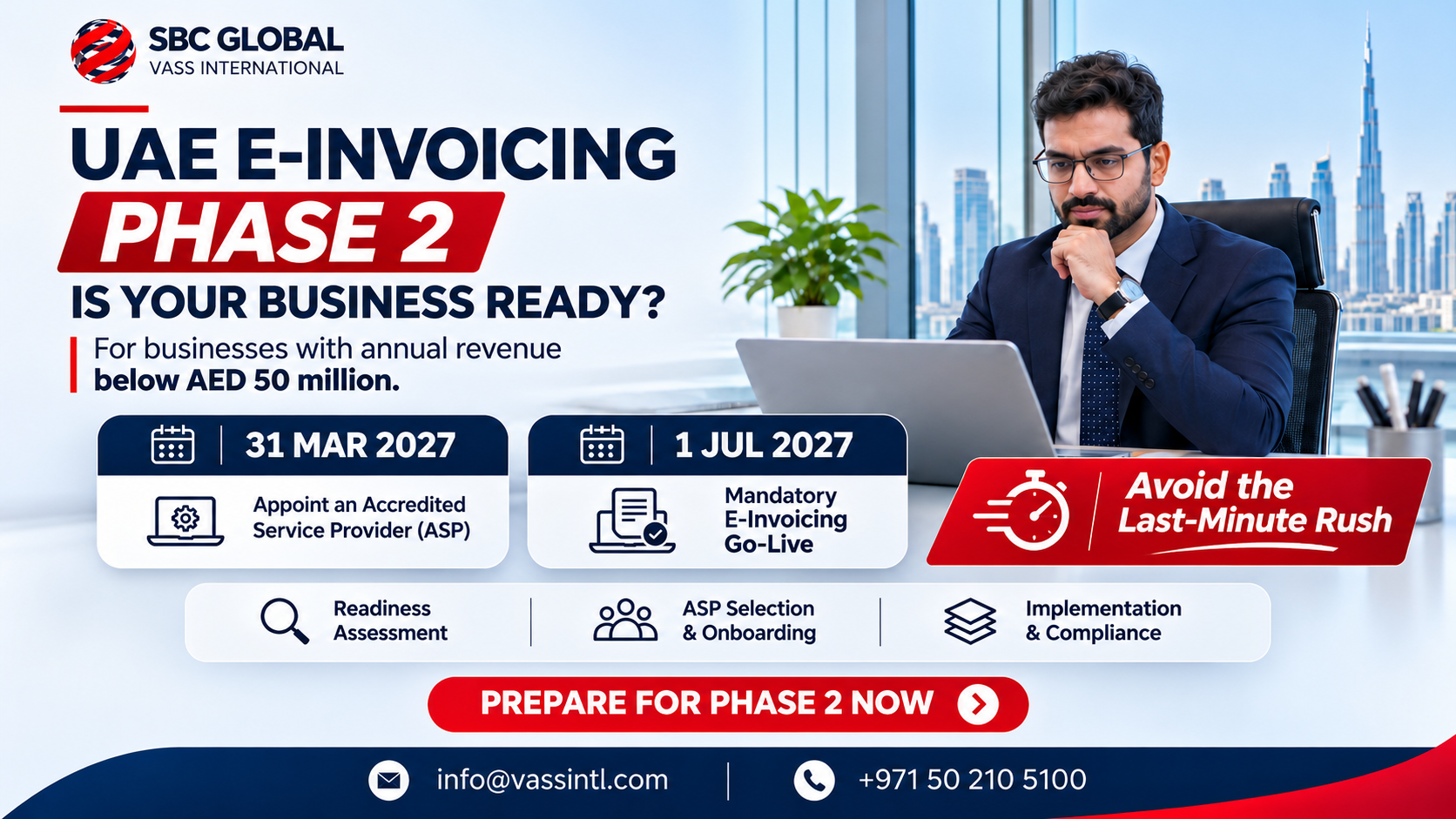
A structured invoice workflow can improve data consistency and document retrieval, but e-invoicing readiness is not the same as proving input tax recoverability. Businesses planning system changes should align invoice data, approval workflows, accounting classifications and audit evidence. See VASS International’s UAE e-invoicing advisory page for implementation support.
Official UAE references
- UAE Ministry of Finance: Value Added Tax — recovery principles and mixed-use expenses.
- UAE Ministry of Finance: VAT amendments effective January 2026 — changes to reverse-charge documentation, refund time limits and anti-evasion safeguards.
- Federal Tax Authority: VAT guides and public clarifications — current detailed guidance.
- Federal Tax Authority: Time-frame for recovering input tax — separate guidance on timing.
Get your VAT records ready for review
A well-organized input VAT file makes return preparation easier and gives management clearer visibility over exceptions. Contact VASS International for help reviewing VAT records, accounting controls and documentation workflows. The appropriate treatment of a specific transaction depends on its facts and the applicable UAE rules.