


Estimated reading time: 5 min · Updated November 18, 2026
Executive summary
- Choose a zone for your licensed activity, premises and customer market—not the cheapest advertised package.
- Compare the full first-year and renewal costs, immigration eligibility, bank requirements and operating restrictions.
- Free-zone incorporation does not automatically mean zero Corporate Tax or unrestricted mainland trading.
UAE free zone company formation offers investors multiple routes across all seven emirates, but the right licence depends on the actual commercial activity, location, facilities and long-term cost. This guide compares prominent options by emirate and explains the questions to resolve before paying a deposit.
UAE free zone company formation: how to shortlist
Start with the exact activity wording and obtain written confirmation from the proposed authority that the licence permits your business model. Check whether you need a flexi-desk, physical office, studio, warehouse, industrial plot or specialist regulatory approval; a low entry fee is not a substitute for suitable premises.
Ask for a breakdown of licence, registration, establishment card, immigration, visas, facilities, security deposits, approvals and third-party services. Compare renewal-year costs and cancellation obligations, not just introductory prices. The UAE Government’s official setup guide explains the incorporation sequence and authority-specific requirements.
Dubai: services, international trade and specialist ecosystems
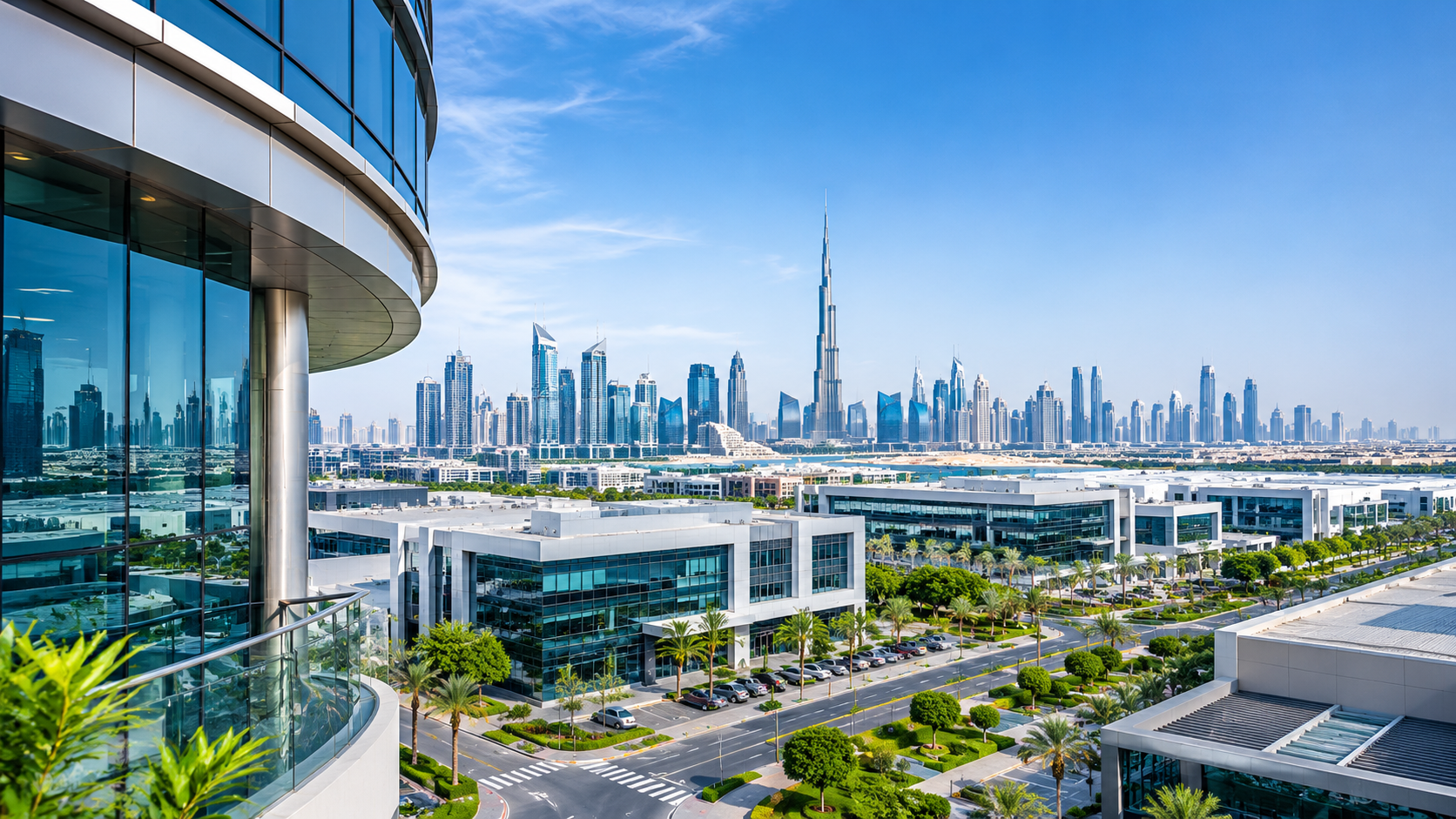
Meydan Free Zone and IFZA are options to assess for service-led, consulting and trading activities, subject to the actual activity list and package terms. DMCC offers a substantial business ecosystem for trade and specialist sectors; JAFZA deserves consideration for port-linked logistics, distribution and industrial operations; Dubai Airport Free Zone (DAFZA) may suit aviation-adjacent and international trade models where proximity to air freight matters.
For every Dubai option, check physical-space requirements, whether external approvals apply and the lawful route for serving mainland customers. A Dubai address alone does not guarantee the right to undertake every activity throughout the emirate.
Sharjah: industrial, airport and publishing-oriented choices
Hamriyah Free Zone (HFZA) is worth assessing for industrial, warehousing and port-related needs. Sharjah Airport International Free Zone (SAIF Zone) is a candidate for airport-linked trade and logistics. Sharjah Publishing City Free Zone (SPC) and Sharjah Media City (SHAMS) warrant comparison for publishing, media, creative and eligible service activities.
Compare the permitted activity list and actual facility inventory rather than assuming all four authorities offer equivalent licences, warehouse access or immigration allocations.
Ras Al Khaimah: RAKEZ for varied operating models
Ras Al Khaimah Economic Zone (RAKEZ) is a key authority to evaluate for commercial, service and industrial setups. RAKEZ consolidated the former RAK Free Trade Zone and Ras Al Khaimah Investment Authority (RAKIA) structures in 2017; these should not be presented as three independent contemporary free-zone authorities.
Evaluate available premises, the distance to suppliers and customers, staff mobility and the operational cost of serving other emirates. A lower licence quotation can be outweighed by transport, storage or travel costs.
Abu Dhabi: financial services, industry and sustainability
Abu Dhabi Global Market (ADGM) is a distinct international financial centre with its own regulatory framework; regulated financial activities require appropriate authorisation. Khalifa Economic Zones Abu Dhabi (KEZAD) is relevant to manufacturing, industrial land, logistics and warehousing. KEZAD Group was launched in 2022 through the integration of KIZAD and ZonesCorp, as described in its official announcement.
Masdar City Free Zone is another option for eligible technology, innovation and sustainability-related ventures. Select on sector fit, approved activity, facility specification and regulatory obligations rather than on branding alone.
Ajman, Umm Al Quwain and Fujairah: alternatives worth comparing
In Ajman, compare Ajman Free Zone for commercial and logistics-oriented requirements with Ajman Media City Free Zone for eligible media and service activities. In Umm Al Quwain, review UAQ Free Trade Zone for the specific trade, service or industrial licence and facility package required.
In Fujairah, Fujairah Free Zone can be evaluated for trading and port-related activities, while Creative City Fujairah is an alternative for eligible creative and professional services. Confirm the latest offerings directly with the relevant registrar before relying on marketing material.
Ownership, visas, banking and mainland customers
Free-zone entities commonly offer foreign ownership options, but legal forms, shareholding documents, authorised activities and shareholder due diligence vary. Immigration quotas and residency processing depend on the authority, premises, applicant eligibility and current approvals; no visa outcome should be promised in advance.
Bank onboarding is a separate due-diligence process. Prepare a clear business model, shareholder identity and source-of-funds records, contracts, anticipated transaction flows and evidence of operational substance. Incorporation does not guarantee a bank account.
Trading into the mainland is regulated and can require additional licensing, customs clearance, a distributor or another lawful arrangement. The official UAE Government guidance on operating in free zones explains important distinctions. Verify the rules applicable to your specific emirate and activity.
VAT, Corporate Tax and accounting after incorporation
A free-zone licence does not automatically exempt the company from VAT or Corporate Tax obligations. The Ministry of Finance explains that a Qualifying Free Zone Person may benefit from a 0% Corporate Tax rate on Qualifying Income only when the statutory conditions are met; other income and non-qualifying cases require separate assessment.
Review VAT registration and supply treatment based on the actual transactions, not the words “free zone” on the licence. Establish invoicing controls, transaction records, reconciliations and relevant e-invoicing readiness processes from the beginning. VASS provides outsourced accounting and bookkeeping support; the business remains responsible for its own statutory obligations.
Request a transparent cost comparison before committing
Ask the adviser for a side-by-side proposal covering government registration, trade licence, permitted activities, facility or flexi-desk, establishment card, visa processing, medical and identity steps, approvals, banking support scope, renewals and potential third-party charges. Clarify what is included, optional, refundable or payable annually.
VASS can help assess the appropriate authority and licensing route without suggesting that it is affiliated with any free-zone regulator. See its free-zone company registration service for advisory support.
Choose the right free zone before you pay
Get a business-activity review and a transparent, itemised incorporation proposal from VASS International.
Explore company incorporation services · +971 50 210 5100 · info@vassintl.com
Sources: UAE Government — Starting a business in a free zone; Ministry of Finance — Corporate Tax; KEZAD — 2022 formation. This is general planning information, not a substitute for activity-specific legal or tax advice.